
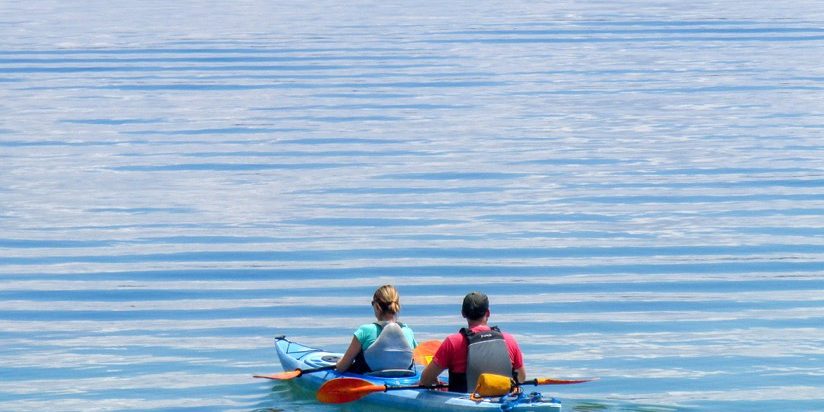
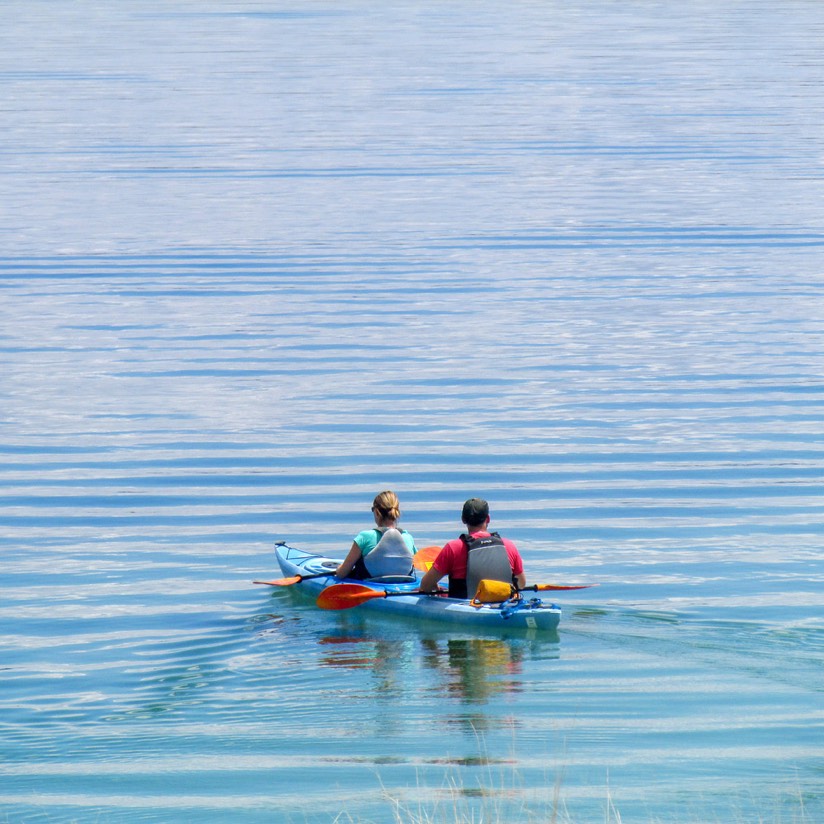
Bringing a kayak or paddleboard to Yellowstone involves more than finding a lake on the map. Yellowstone requires an aquatic invasive species inspection and a park boating permit before launch, including for nonmotorized craft. Put that inspection stop into the day’s plan before choosing when and where you expect to paddle.
The inspection is not just for motorboats
The National Park Service’s Yellowstone boating guide includes kayaks, paddleboards and float tubes in its inspection-and-permit requirements. Do not assume a small craft, a craft carried inside the RV or a permit from somewhere else lets you skip the Yellowstone process. Fishing is a separate park-specific process too; our Yellowstone fishing permit guide explains why a Wyoming fishing license is not the same authorization.
Read the instructions for your exact equipment. The park’s specified 30-day dry requirement applies to certain vessel types; its nonmotorized exemption does not remove the inspection requirement. If you are uncertain how your craft is classified or what inspection preparation is needed, resolve that before driving to the launch.
Plan the station before the shoreline
Identify a currently operating inspection station and check its hours. Work backward from that stop when choosing a departure time from Dubois. An early arrival at the water is not useful if you cannot lawfully launch until the inspection takes place. Yellowstone states that after-hours arrivals must wait for inspection before launching.
Make a compact equipment record: the type of craft, where it has been used, how it has been cleaned and dried, and whether you intend to take it outside the park during the trip. Ask the park what paperwork to retain and what to do after leaving and returning. Do not assume yesterday’s launch arrangements cover every subsequent outing.
Choose a permitted water, not just a beautiful one
The NPS guide identifies waters closed to boating and distinguishes motorized from nonmotorized access. A named river or small lake on a scenic map is not automatically a paddling option. Confirm the specific water, launch access and current closures, then make a plan suited to your equipment and experience.
Do not turn an inspection permit into a safety endorsement. Assess weather and water conditions with qualified current guidance, and make sure everyone is prepared for the chosen outing. If conditions are unsuitable, a shoreline visit can be the entire day rather than a consolation stop before taking an unnecessary risk.
What if we are visiting Grand Teton as well?
Treat it as a separate park-specific check. Our Grand Teton kayaking and boat-permit guide covers that destination; it should not be read as Yellowstone permission. Write two sets of requirements into the trip plan rather than assuming one process applies throughout the region.
- Check the current Yellowstone inspection and permit instructions.
- Confirm the station and the permitted launch destination.
- Plan a shore-based alternative that does not depend on a launch.
- Keep travel back to Dubois within the day’s schedule.
For a different water experience, compare our Yellowstone Lake scenic-cruise planning guide and verify that operator separately. Check Windhaven availability for the RV stay; the resort does not issue Yellowstone permits or provide this boating outing.